Minneapolis Rental License Tier Lookup: What Tier 1, 2 and 3 Mean for a Building
Type an address to see a Minneapolis rental property's tier, units and license date from the city's own file, then read what each tier says, how a score is built and which communities have the most Tier 2 and Tier 3 buildings.
Updated
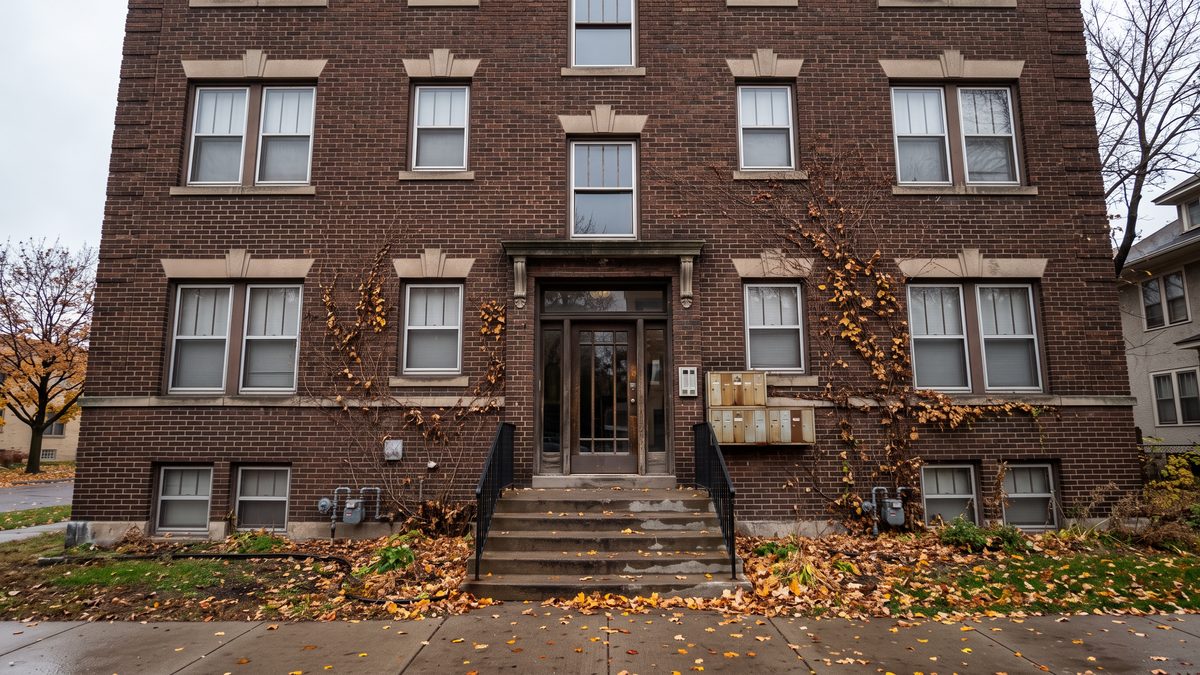
Nearly every licensed rental in Minneapolis, 96 percent of 23,376 records, sits in Tier 1. Only 657 are Tier 2 and 186 are Tier 3, the two that carry more inspections and higher fees. Type an address below to see where a building falls.
Type an address, get its tier
Searches the city's active rental license file straight from your browser. Write the number and street name, and leave out the unit and the ZIP code.
Three tiers, three inspection clocks
The city puts a tier on every rental building. It sets how often an inspector comes for the routine rental license inspection, and it feeds the license fee.
| Tier | What the city says it means | Routine inspection | Score |
|---|---|---|---|
| Tier 1 | Presumed to be well maintained and to meet the housing code. | Every eight years | 0 to 19 |
| Tier 2 | Presumed well maintained, but one or more documented issues may have an urgent effect on renter safety and habitability. | Every five years | 20 to 39 |
| Tier 3 | Presumed not well maintained, with several documented issues of that kind. | Every year | 40 and over |
The city's tier page, last updated November 2, 2026, also names a Tier 1D for properties with no routine inspection in over five years. That label does not appear in the file this tool searches, which lists only Tiers 1, 2 and 3.
What moves a score
The building
The city scores 11 items from the last two years of issues reported to it and what inspectors find. Violations that hit renters hardest earn more points.
The owner's follow-through
Repeat inspections, late payments and citations add points for how long an owner takes to meet the standard. That score changes the fee level, not the inspection cycle, so a fee can run higher than the tier suggests.
An owner who thinks a score is wrong can ask Regulatory Services for an administrative review once the license is paid, and the tier changes only if the city made a mistake. The city also says it is working on changes to tiering for January 2028.
Where Tier 2 and 3 cluster
Share of each community's rental licenses that are Tier 2 or Tier 3, from the city's own file. Across the city it is 3.6 percent.
| Community | Licenses | Tier 2 or 3 | Share |
|---|---|---|---|
| Phillips | 1,041 | 78 | 7.5% |
| Camden | 1,784 | 124 | 7.0% |
| Near North | 2,304 | 137 | 5.9% |
| Powderhorn | 3,591 | 187 | 5.2% |
| University | 2,091 | 68 | 3.3% |
| Northeast | 3,081 | 85 | 2.8% |
| Central | 1,930 | 49 | 2.5% |
| Longfellow | 1,337 | 24 | 1.8% |
| Nokomis | 1,535 | 23 | 1.5% |
| Calhoun Isle | 2,147 | 32 | 1.5% |
| Southwest | 2,135 | 22 | 1.0% |
Among neighborhoods with at least 200 licenses, the highest shares are McKinley (10.2%), Central (9.4%) and Midtown Phillips (8.6%). The table lists the top eight.
| Neighborhood | Licenses | Tier 2 or 3 | Share |
|---|---|---|---|
| McKinley | 244 | 25 | 10.2% |
| Central | 555 | 52 | 9.4% |
| Midtown Phillips | 290 | 25 | 8.6% |
| Ventura Village | 307 | 24 | 7.8% |
| Near - North | 390 | 28 | 7.2% |
| Folwell | 436 | 31 | 7.1% |
| East Phillips | 224 | 16 | 7.1% |
| Webber - Camden | 372 | 26 | 7.0% |
Size matters too. Of the 1,090 licenses on buildings with 20 or more units, 9.2 percent are Tier 2 or 3. For buildings of one to four units, it is 3.0 percent. A bigger building has more doors to fail on.
Before you sign a lease
What a Tier 1 does and does not say
It says the last two years of records hold few points. It does not say the heat works this week or that the landlord answers texts. Ask for the date of the last inspection, which the city says is printed on the rental license.
What the file shows besides a tier
The file marks 875 records as Delinquent. We show the word as the city gives it and do not know what it means for any one building, so ask Regulatory Services before you read anything into it. Short-term rentals can have no tier at all: 137 records are blank.
If a problem shows up after you move in, a tenant lawyer can tell you what the housing code and your lease allow. When you leave, a move-out cleaner and a mover both help with the deposit. Our lists: landlord and tenant lawyers, move-out cleaning, moving companies and bed bug exterminators.
The file was downloaded on November 15, 2026 and the city refreshes it weekly. Where the figures come from: how we order our lists.